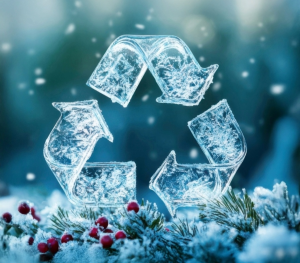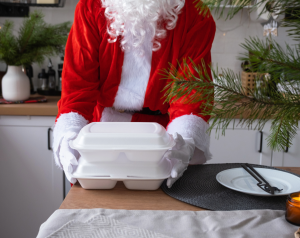
When we talk about recyclable food packaging, one crucial step is often overlooked: cleaning it once it’s been used.
Across the UK, huge volumes of food packaging technically can be recycled — yet a significant proportion never makes it through the recycling process. One of the biggest reasons? Food contamination.¹
The hidden problem with food residue
Food trays that still contain grease, sauces, or leftover food can contaminate entire recycling loads. In many cases, this means otherwise recyclable packaging is rejected and sent to landfill or energy recovery instead.
From ready meals and takeaway trays to deli and bakery packaging, food residue is one of the most common barriers to successful recycling.
Simply put:
If it isn’t clean, it often can’t be recycled.
“But it’s recyclable…”
We hear this a lot — and it’s true. Many modern food trays are designed to be recyclable, including fibre-based, board, CPET, and mono-material plastic formats. However, recyclability depends on how the packaging is disposed of, not just how it’s made.
A quick rinse or scrape can make the difference between:
- A tray being successfully recycled
- Or an entire batch being downgraded or rejected
Why this matters for food producers and retailers
As a food producer, takeaway, farm shop or retailer, your responsibility doesn’t end when the product leaves your premises.
Clear messaging to customers — on-pack, online, or in-store — can have a real impact:
- Simple disposal instructions
- “Please rinse before recycling” guidance
- Clear separation of film lids and trays
These small steps help customers do the right thing and support your wider sustainability goals.
A shared responsibility
Improving recycling rates isn’t down to one part of the supply chain alone.
It’s a shared effort between:
- Packaging manufacturers
- Food producers and retailers
- Consumers at home
By choosing the right packaging, sealing it properly, and encouraging simple cleaning before disposal, we can make a genuine difference.
Clean packaging is recyclable packaging.
For more information and stats from this years WRAP Sring report
https://www.wrap.ngo/resources/report/recycling-tracker-survey-uk-spring-2025
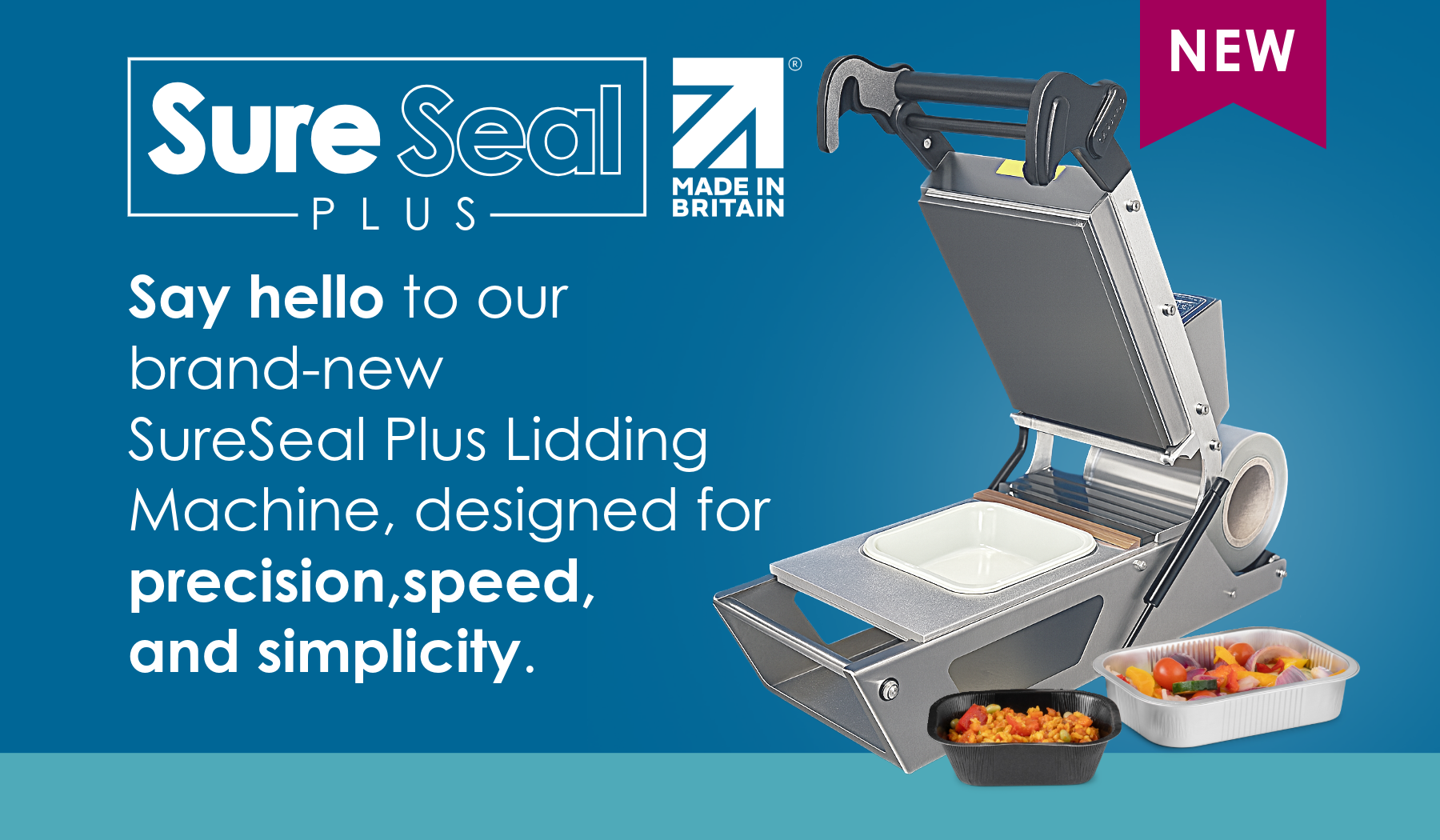
If you’d like advice on tray formats, lidding films, or machinery that supports cleaner, more recyclable packaging solutions, our team is always happy to help.
¹ WRAP (Waste & Resources Action Programme) highlights food contamination as one of the leading causes of household recycling being rejected in the UK. Packaging that contains food residue can contaminate whole loads, meaning otherwise recyclable materials may be diverted from recycling. WRAP consistently advises consumers to empty, scrape or rinse food packaging before placing it in recycling.
Source: WRAP UK – Recycling guidance and contamination reports.